Squint Treatment in Varanasi | Expert Squint Surgeon | Pediatric Eye Specialist
Learn why squint is more than a cosmetic condition. Understand its impact on vision, confidence, and childhood development, and discover modern squint treatment options available in Varanasi.
Squint (Strabismus): More Than a Cosmetic Concern — How Timely Treatment Can Change Lives
By Dr. Shantanu Kumar Gupta
Medical Retina Specialist & Cataract Surgeon
Featuring the expertise of Dr. Manisha Mishra
Senior Cataract, Squint & Pediatric Ophthalmic Surgeon
Shantanu Netralaya, Varanasi
"People Think It Is Just a Cosmetic Problem."
One of the most common things we hear from patients is:
"Doctor, my eye has been like this since childhood. I have learned to live with it."
Or parents say,
"The child can see, so the squint isn't a serious problem."
These are some of the biggest misconceptions about squint.
A squint is not simply about appearance.
For many children and adults, it affects how they see the world, how the world sees them, and how they feel about themselves.
What Is Squint?
Squint, also called Strabismus, is a condition in which both eyes do not look in the same direction at the same time.
One eye may look straight while the other may turn:
Inward (Esotropia)
Outward (Exotropia)
Upward
Downward
The misalignment may be constant or occur only sometimes.
Why Squint Is Much More Than a Cosmetic Issue
When people notice a squint, they usually think about appearance.
As eye specialists, we think about something much more important.
Vision Development
In children, untreated squint can cause the brain to ignore the image from one eye.
This may result in Amblyopia (Lazy Eye)—a permanent reduction in vision if not treated during childhood.
Loss of Depth Perception
When both eyes are not working together, judging distances becomes difficult.
This can affect:
Sports
Driving
Daily activities
Hand-eye coordination
Emotional and Psychological Impact
This is the aspect that often goes unnoticed.
Children with squint may experience:
Bullying at school
Teasing from classmates
Reduced self-esteem
Social withdrawal
Adults may avoid:
Eye contact
Public speaking
Job interviews
Photographs
Social gatherings
Many patients tell us they feel that people are looking at their eyes instead of listening to what they are saying.
A successful squint correction is therefore not just about eye alignment—it can restore confidence, improve social interactions, and enhance quality of life.
What Causes Squint?
Squint can occur due to many reasons, including:
Congenital (present since birth)
Refractive errors requiring glasses
Weak eye muscles
Lazy eye
Nerve disorders
Childhood eye diseases
Trauma
Certain neurological conditions
Only a detailed examination can determine the exact cause.
Can Squint Be Treated?
Yes.
Treatment depends on the underlying cause and the age of the patient.
It may include:
Glasses
Lazy eye (patching) therapy
Eye exercises (in selected cases)
Prism glasses (selected adults)
Squint surgery
Many people wrongly believe surgery is the only option. In reality, treatment is individualized after a comprehensive eye examination.
Is There an Ideal Age for Squint Treatment?
Early diagnosis is always better.
Children should be examined as soon as parents notice that one eye appears to turn.
However, adults should not lose hope.
Squint surgery can also provide excellent functional and cosmetic outcomes in adulthood. Improving eye alignment can positively influence confidence, social interactions, and, in some patients, binocular function.
It is never too late to seek an expert opinion.
The Importance of an Experienced Squint Surgeon
Squint surgery is one of the most specialized procedures in ophthalmology.
Every patient's eye muscles behave differently.
The amount of correction required is carefully calculated after detailed measurements, and surgical planning is individualized for each patient.
This is why specialized training and experience matter.
Dr. Manisha Mishra's Experience in Squint Surgery
At Shantanu Netralaya, Varanasi, squint and pediatric eye care are led by Dr. Manisha Mishra, a Senior Cataract Surgeon, Squint Surgeon, and Pediatric Ophthalmologist.
Dr. Mishra received extensive clinical and surgical training at Guru Nanak Eye Centre, New Delhi, one of North India's busiest government tertiary eye hospitals.
During her six-year tenure, she worked in a dedicated squint service where multiple squint surgeries were performed on nearly every operating day. This high-volume exposure allowed her to evaluate and manage a wide spectrum of cases—from common childhood squints to complex and long-standing strabismus.
Alongside squint surgery, she also gained extensive experience in complex cataract surgery, managing challenging cataract cases referred to a tertiary care center. This combination of pediatric ophthalmology, strabismus, and advanced cataract surgery provides a comprehensive understanding of delicate ocular surgery and individualized patient care.
Today, patients from Varanasi, Chandauli, Jaunpur, Ghazipur, Mirzapur, Bhadohi, Sonbhadra, Ballia, Mau, and across Purvanchal benefit from this specialized experience without needing to travel to metropolitan cities for expert squint evaluation and treatment.
Why Parents Should Never Ignore a Child's Squint
Many parents wait because they think the child will "outgrow" the problem.
Unfortunately, this is not always true.
Delaying treatment may reduce the chance of developing normal vision in the affected eye.
If you notice:
One eye turning inward or outward
Frequent closing of one eye
Abnormal head posture
Poor eye contact
Family history of squint
your child should be examined by a pediatric ophthalmologist as early as possible.
Common Myths About Squint
Myth: Squint is only a cosmetic problem.
Fact: It can affect vision, depth perception, and emotional well-being.
Myth: Children will outgrow squint.
Fact: Some do not. Waiting may reduce the chances of optimal visual development.
Myth: Adults cannot undergo squint surgery.
Fact: Adults can also benefit significantly from modern squint surgery.
Myth: Squint surgery is only for improving appearance.
Fact: Surgery can improve eye alignment, binocular function in selected patients, abnormal head posture, and overall quality of life.
Squint Care at Shantanu Netralaya
At Shantanu Netralaya, Varanasi, every patient undergoes a detailed squint assessment before treatment is planned.
Management may include:
Comprehensive Pediatric Eye Examination
Vision Assessment
Squint Measurements
Glasses Prescription
Lazy Eye Treatment
Squint Surgery
Long-term Follow-up
Treatment is individualized because every squint is different.
Frequently Asked Questions
Can adults undergo squint surgery?
Yes. Adults can benefit from surgery both functionally and cosmetically after proper evaluation.
Is squint surgery safe?
When performed by an experienced ophthalmic surgeon after detailed assessment, squint surgery is generally considered safe and effective.
Will my child need surgery?
Not always. Some children improve with glasses or amblyopia treatment. Surgery is recommended only when appropriate.
Does squint surgery improve confidence?
Many patients report feeling more confident after successful eye alignment. While individual experiences vary, improved alignment can have a meaningful positive impact on social interactions and self-esteem.
A Message to Families Across Purvanchal
For years, many families from Purvanchal had to travel to Delhi or other metropolitan cities to seek specialized squint treatment.
Today, advanced squint evaluation and surgery are available much closer to home.
If you or your child has a squint, do not assume it is only a cosmetic concern.
A timely evaluation can protect vision, improve eye alignment, and in many cases, change the way a person sees themselves—and the way they engage with the world.
Because every child deserves the opportunity to develop healthy vision, and every adult deserves the confidence to look others in the eye without hesitation.
This article is for patient education. It is not a substitute for personalised medical advice, examination or diagnosis. If you have symptoms discussed here, please book an in-person consultation with a qualified ophthalmologist.
Dr. Shantanu personally reviews every enquiry — usually within a few hours.
Message on WhatsApp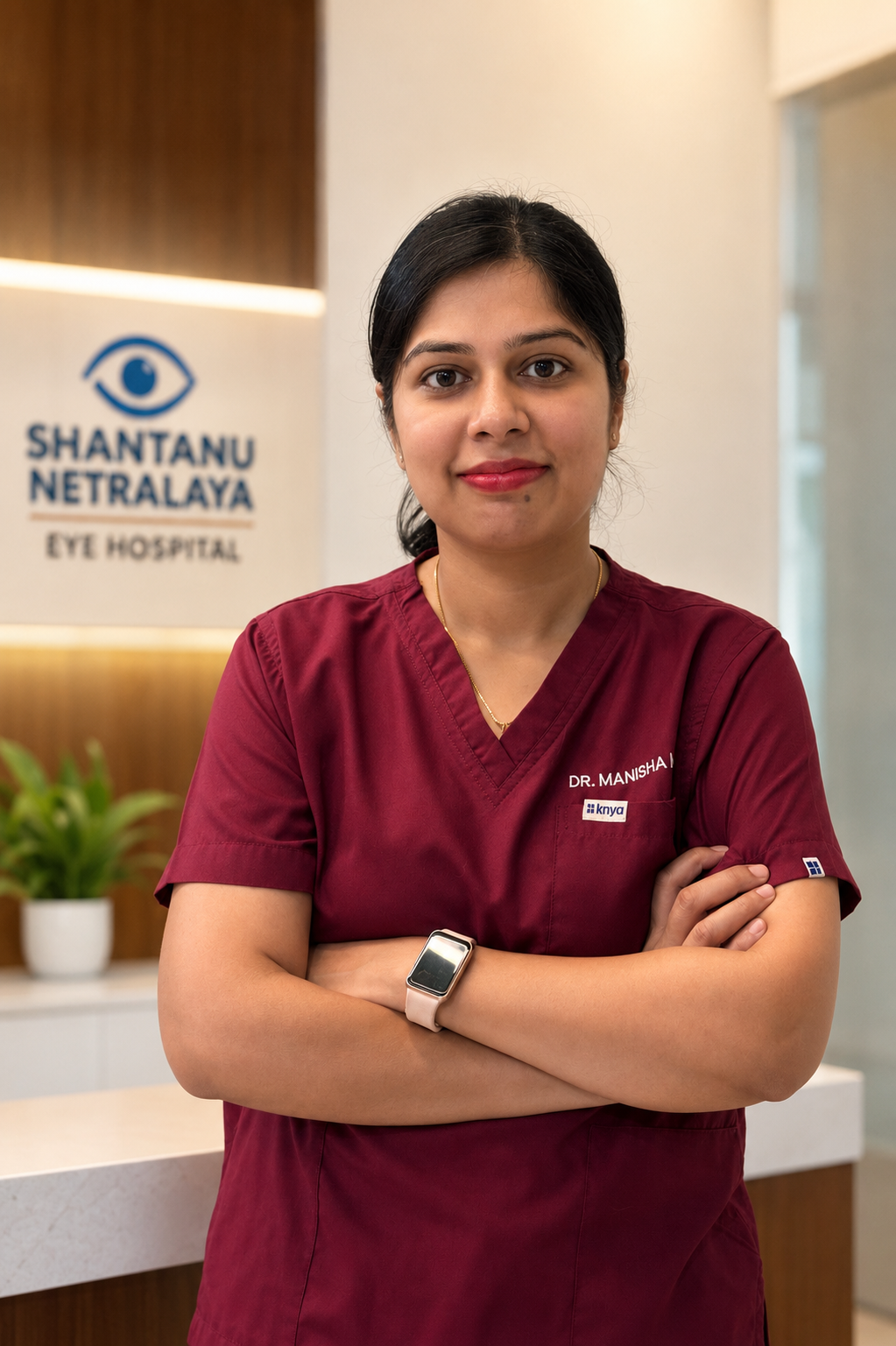
Consultant Ophthalmologist at Shantanu Netralaya Eye Hospital, Varanasi. MBBS Gold Medalist with 4 distinctions; MS Ophthalmology from Maulana Azad Medical College & Guru Nanak Eye Centre, New Delhi. Handles complex cataract, squint (strabismus) and paediatric ophthalmology.